Gen Z Nepal Protests
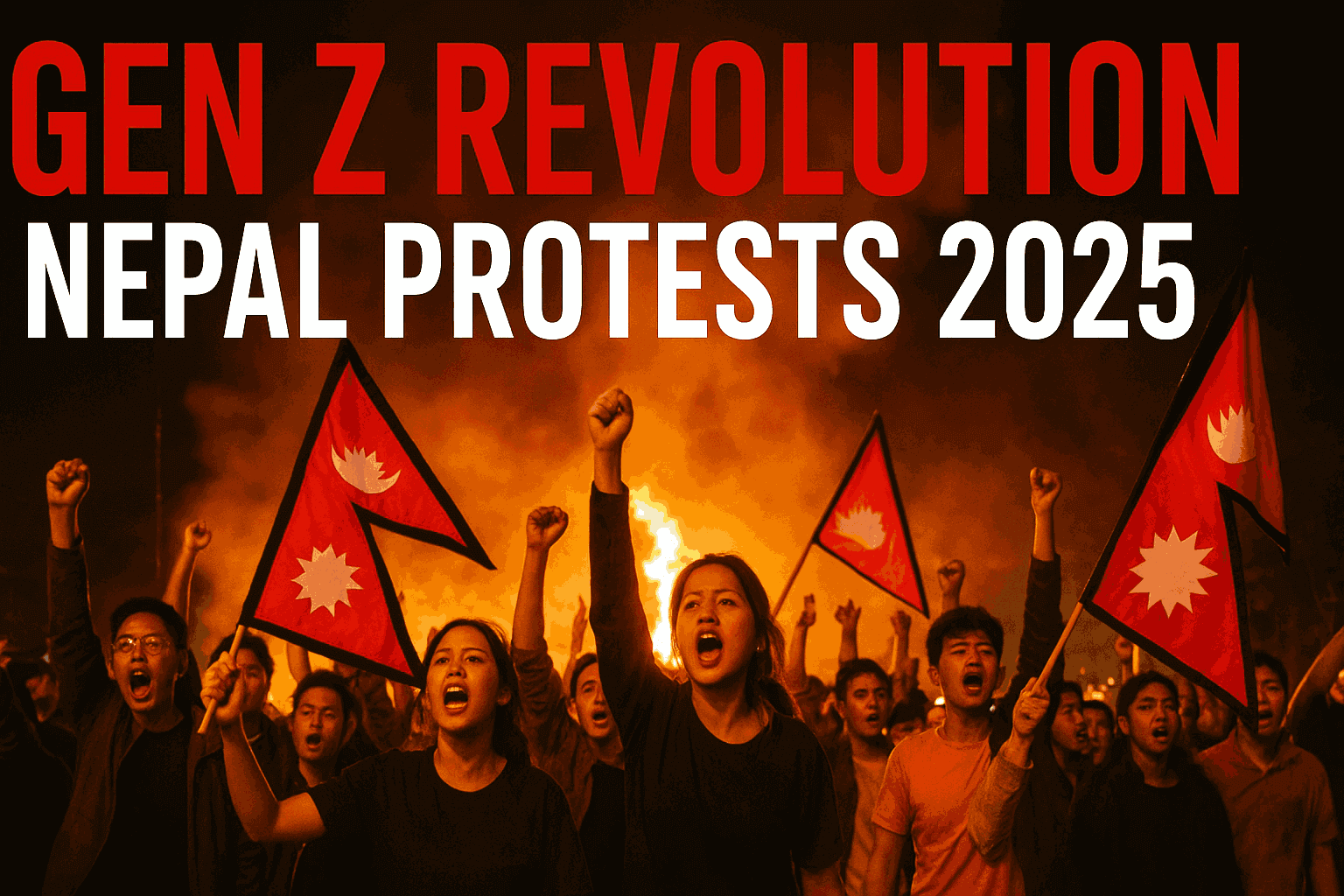
Nepal has entered a historic moment as Gen Z Nepal protests shake the nation. What began as outrage against a sudden social media ban has transformed into a nationwide movement against corruption, censorship, and political stagnation. The protests have already forced Prime Minister KP Sharma Oli to resign, and former Chief Justice Sushila Karki is emerging as the frontrunner to lead an interim government. This youth-led uprising now dubbed the “Gen Z Revolution” – marks one of the most powerful generational shifts in Nepal’s modern history.
Why Did the Nepal Protests Start?
On September 4, 2025, Nepal’s government banned 26 major social media platforms, including Facebook, YouTube, WhatsApp, and Instagram. Officials claimed these platforms failed to register locally, but for the country’s digitally active youth, the move felt like an attack on free expression. Within hours, students and young professionals mobilized online through alternative apps like TikTok, Reddit, and encrypted chats. Protests spread from Kathmandu’s Maitighar Mandala to cities across the country, drawing tens of thousands of demonstrators.
The Gen Z Nepal Revolution Takes Shape
Unlike past political uprisings in Nepal, this protest was leaderless, non-partisan, and decentralized. Organizers used hashtags, memes, and digital posters to coordinate sit-ins, rallies, and marches.
What made it unique –
- TikTok livestreams kept global audiences updated.
- Protest chants highlighted unemployment, corruption, and censorship.
- Young women and students played a leading role, calling it their “turn to rewrite the nation.”
For the first time, Nepal’s Gen Z proved it was not just a digital generation—it was a political force.
Crackdown and Escalation
The government responded with force. Security units deployed tear gas, water cannons, rubber bullets, and even live rounds.
- Reports suggest 14–25 people were killed.
- Hundreds were injured.
- A nationwide curfew was enforced.
- The Tribhuvan International Airport in Kathmandu was temporarily shut down, stranding flights.
The army guarded key landmarks including Parliament, ministries, and even luxury hotels like the Hilton Kathmandu as unrest spread near tourist zones.
Turning Point: Prime Minister Resigns
Facing unstoppable pressure, Prime Minister KP Sharma Oli resigned on September 9, 2025. His fall marks one of the fastest political downfalls in Nepal’s history, all triggered by Gen Z activism.
But resignation alone did not satisfy protesters. Their demands are broader –
- End of corruption.
- Restoration of internet freedoms.
- Transparent, accountable governance.
The Rise of Sushila Karki
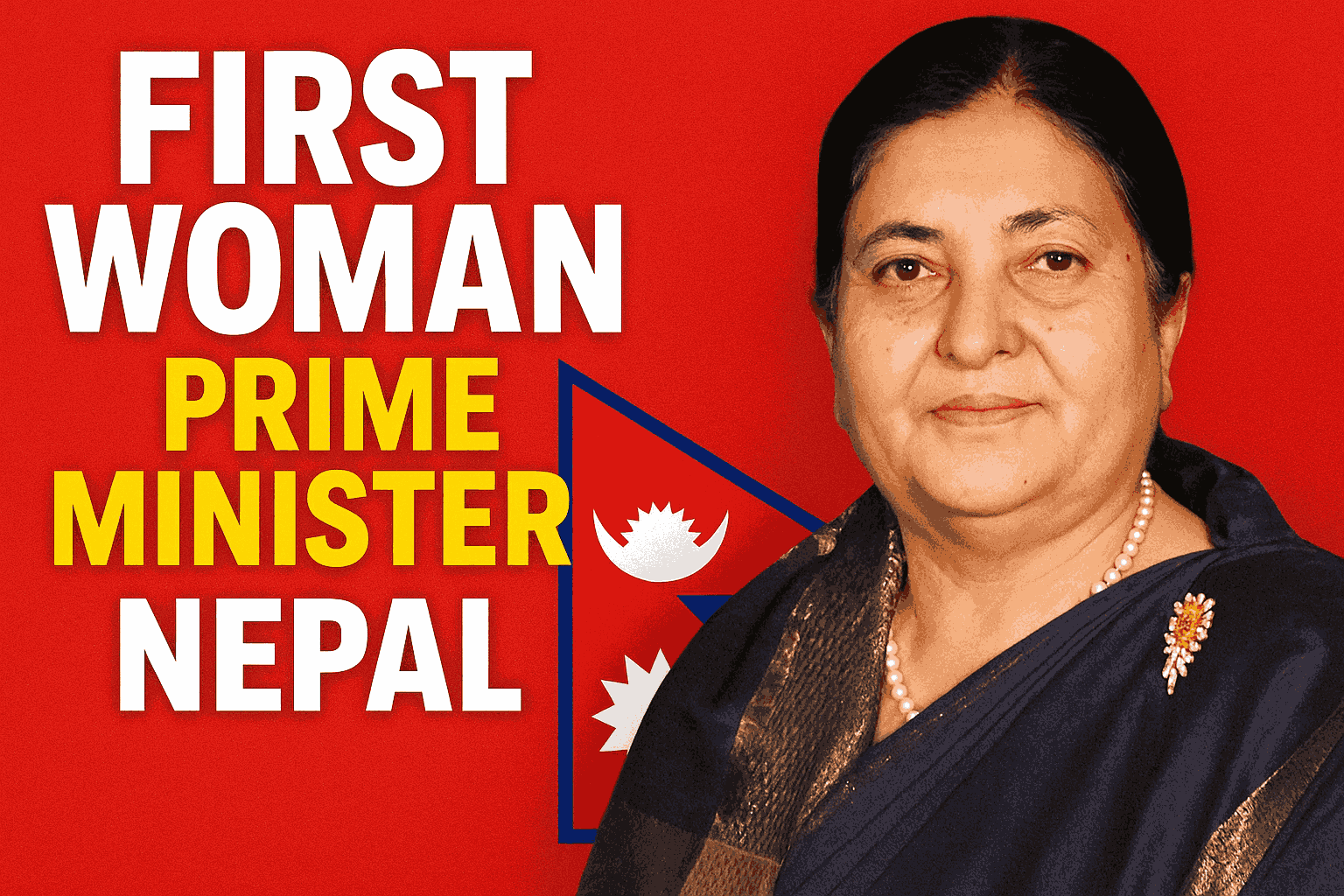
In the search for an interim, non-partisan leader, one name stands out: Sushila Karki.
- She was Nepal’s first female Chief Justice.
- Known for her clean image and legal independence.
- Now a frontrunner to guide Nepal through transition.
If appointed, her leadership would be a historic moment—not just for women in Nepal, but for South Asia’s political future.
Tragedy Amid the Uprising
Amid the chaos, tragedy struck when former PM Jhala Nath Khanal’s wife, Rajyalaxmi Chitrakar, was killed in a fire after protesters set his house ablaze. This horrifying incident shocked the nation and highlighted how peaceful protests can spiral into violence.
Adding controversy, a viral TikTok video showed a student dancing in front of the burning Parliament building – blurring lines between activism and clout-chasing, and sparking national debate.
Human Rights Concerns – Nepal
International watchdogs, including Amnesty International, condemned Nepal’s security forces for using excessive force. The National Human Rights Commission also urged accountability and restraint.
Families of victims are demanding compensation and justice, ensuring the protests are remembered not only as a political revolution but also as a fight for human rights.
What’s Next for Nepal?
With Oli gone and Sushila Karki likely to lead an interim government, the future of Nepal hangs in balance. Gen Z is not stopping at resignation – they want long-term reforms, free elections, transparency, and jobs. Kathmandu’s youth-favorite mayor, Balendra Shah (Balen), has also emerged as a symbol of new leadership. If this revolution continues, Nepal could see a complete generational shift in politics ahead of the 2027 elections.
The Gen Z Nepal protests have proven that young voices can no longer be ignored. What began as a fight for internet freedom has become a battle for democracy itself. This uprising may be remembered as the moment Nepal’s future changed hands – from the old guard to the digital, fearless, and determined youth.
Team By Also Author – Flame Tadka / flametadka.com